Generally speaking, there are slight differences in the choice of bottle color for wines from different production areas and types, as follows:
Bordeaux red wine - dark green
Dry white Bordeaux wine – light green
Bordeaux sweet white wine - colorless
Burgundy and Rhône Valley - dark green
Mosel (Germany) and Alsace (France) - medium to dark green, some wineries will use the traditional amber color
Rhine, Germany - amber color, some wineries also use green bottles
Champagne - usually medium to dark green; rosé Champagne uses colorless or green bottles
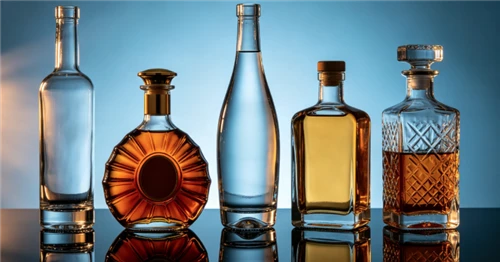
In addition, blue wine bottles are becoming more and more common now. Traditionally, few wineries use blue glass bottles as wine containers, but blue often brings fresh and refreshing visual cues, so some wineries use this color as a marketing tool, mainly Use it with aromatic white wines or dessert wines.
The darker the bottle, the better the wine?
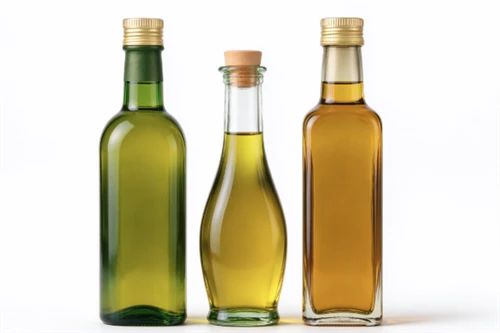
No matter how dark or light it is, green is the most common color in wine bottles. This is because green wine bottles can effectively prevent the oxidation of wine under the intrusion of light (whether artificial or natural light). A trace amount of oxygen is a good thing for wine and helps the flavor of the wine to bloom. However, if the wine comes into contact with a large amount of oxygen, the wine will quickly become rough and eventually turn into a liquid like vinegar.
Wine itself contains antioxidants, which can prevent rapid oxidation of wine, but light can destroy the antioxidants and tannins of wine, causing the quality of wine to decline rapidly.
Green or amber wine bottles can effectively filter out light and protect the antioxidants and tannins in the wine. Traditionally, green wine bottles are more popular, and some people think that green is more beautiful. Therefore, most wineries will use green as the color of wine bottles by default.
Therefore, for wines that need to be aged for a long time (such as red wines from Bordeaux and Burgundy), the bottles tend to use darker colors, while for ready-to-drink wines (mostly white wines with a fresh taste) ), wine bottles can be light green or even transparent and colorless.