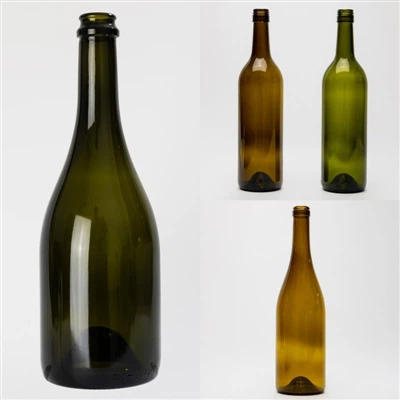
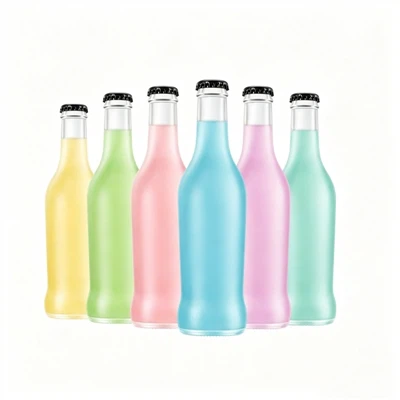
Color plays a crucial role in wine packaging. The color of a wine bottle is an essential part of its branding and can influence consumer perception. The hues of the bottle must complement the liquid inside and evoke a level of sophistication, quality, and elegance. In this article, we will explore the art of color matching in wine packaging.
First and foremost, it's worth mentioning that wine bottles can come in an array of colors, ranging from clear to green, amber, and various shades of brown. However, the most commonly used wine bottles are clear, green, and dark brown. Each color has its purpose and characteristics.
Clear bottles are typically used for white wines and allow consumers to view the liquid's pristine color. They are also used for light-bodied red wines, rose, and sparkling wines.
Green bottles are commonly used for white wines from regions such as France, Italy, and Germany. This hue compliments the delicate and crisp notes of these wines and provides a level of protection against ultraviolet light.
Dark brown bottles, also known as "Bordeaux" bottles, are used for robust and full-bodied red wines. The dark color blocks out light that can cause the wine to age prematurely.
When it comes to pairing colors, there are no strict rules, but experience has shown that certain tone combinations work best. For example, a green bottle with an off-white label can complement a grassy and elegant Sauvignon Blanc. A dark brown bottle with gold writing creates an air of luxury and sophistication that can enhance the experience of a complex Bordeaux blend.
Another essential factor to consider when choosing colors for wine bottles is the target audience. For example, a bright and vibrant label may attract younger consumers, whereas a classic and elegant design can appeal to a more mature audience.
In conclusion, wine bottle color plays a vital role in branding and, ultimately, consumer perception. The right color combinations evoke elegance, quality, and sophistication and can make a significant impact on sales. By carefully considering tone combinations and target audiences, wineries can create an identity that is unique, memorable, and appealing to the intended audience.