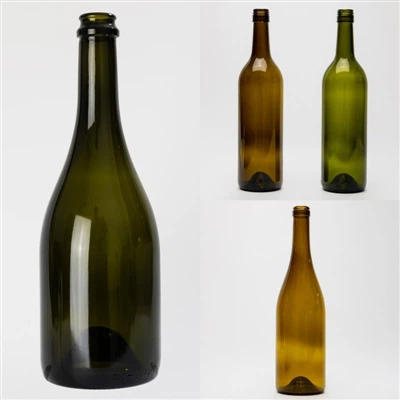
Selecting the right wine bottle is essential for wineries, importers and beverage brands. The three most classic designs are Bordeaux, Burgundy and Champagne bottles, each crafted for specific wine styles, production needs and logistics scenarios. Below is a quick comparison and sourcing guide.
Key Differences Between the Three Bottle Types
|
Bottle Type |
Key Features |
Suitable Wines |
Logistics & Sourcing Notes |
| Bordeaux |
High straight shoulder, slim balanced body; fits corks/screw caps |
Full-bodied red/white wines (Cabernet Sauvignon, Merlot) |
Easy to pack/stack/ship; ideal for mass-market & bulk export |
|---|---|---|---|
|
Burgundy |
Soft sloped shoulder, round plump body; elegant premium look |
Boutique/reserve wines (Pinot Noir, Chardonnay) |
Fewer bottles per carton; slightly higher logistics cost; fits high-end channels |
|
Champagne |
Extra thick glass, reinforced body, deep punt; high pressure-resistant |
Sparkling wine, Champagne (exclusive use) |
Heavier, space-consuming; strict breakage control; never substitute with standard bottles |
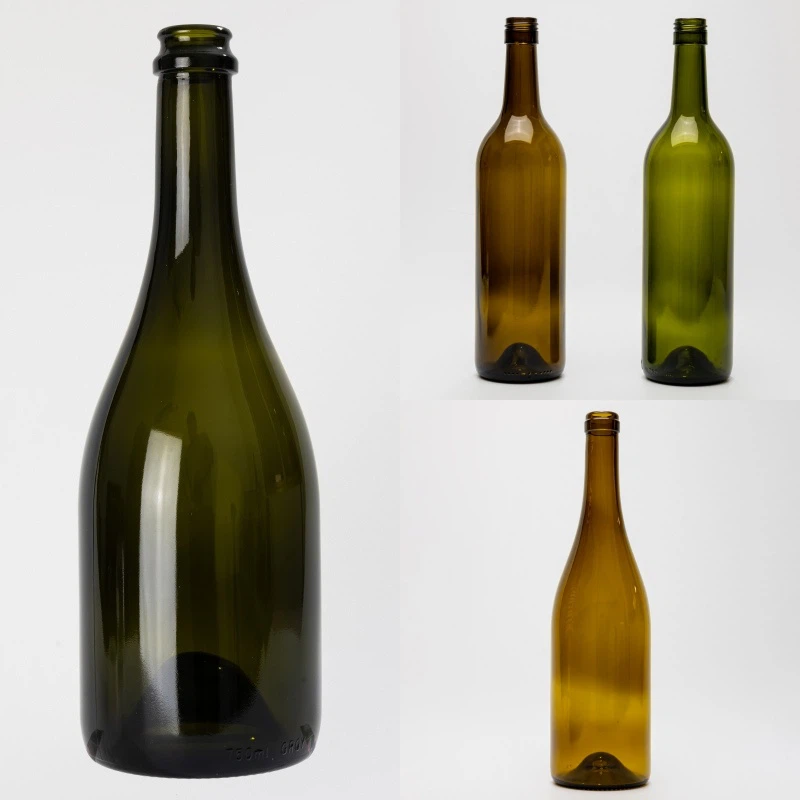
Quick Sourcing Recommendation
- Choose Bordeaux bottles for large-volume export, supermarket distribution and cost-effective lines.
- Choose Burgundy bottles for premium wines, boutique branding and gift sets.
- Use genuine thickened Champagne bottles for all sparkling wine products for safety and quality compliance.
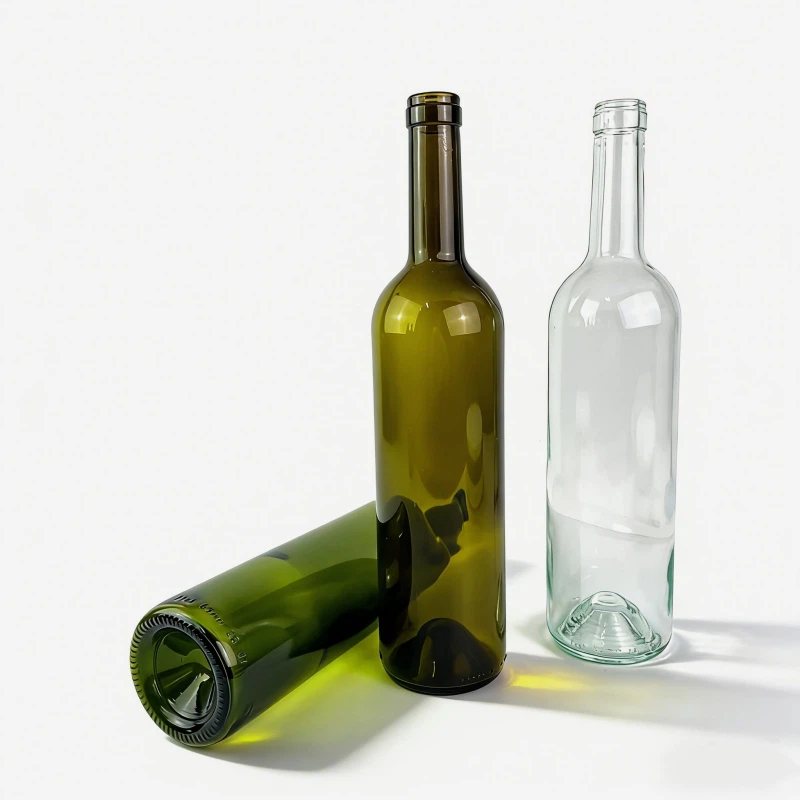
Bottle selection is not only about appearance, but about matching wine style, production process, logistics cost and brand positioning. Pick the right bottle type to optimize shelf display, reduce damage rate and enhance global market competitiveness.