How to Choose the Right Glass Bottle for Juice Beverages: Material, Wall Thickness, and Light Protection Considerations
For juice and beverage brands, glass bottle selection directly affects product shelf life, brand image, transportation cost, and consumer experience. A suitable glass bottle is not only a packaging container but also a critical part of product quality control.
When sourcing glass bottles for juice beverages, beverage manufacturers need to evaluate several technical factors, including glass material composition, bottle wall thickness, color protection, filling process compatibility, and manufacturing quality.
This guide explains the key points that beverage brands and packaging buyers should consider when selecting juice glass bottles.
1. Choose the Right Glass Material for Juice Packaging
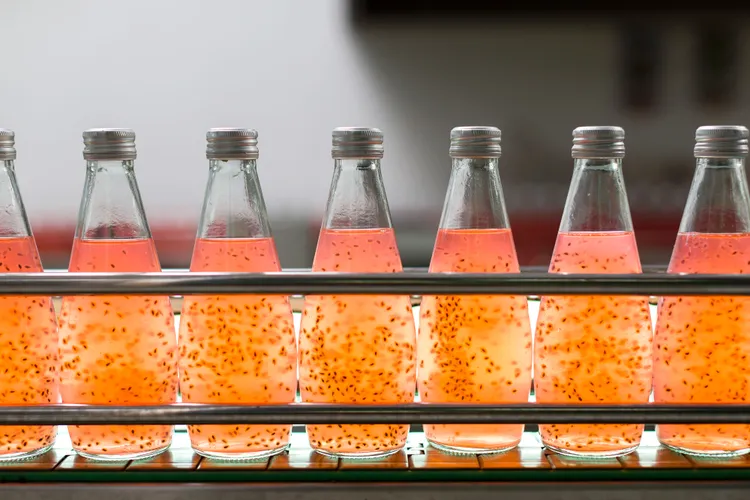
Most juice and beverage bottles are produced using soda-lime glass, which offers good chemical stability, transparency, and cost efficiency.
However, different glass materials provide different performance levels.
1.1 Standard Clear Glass
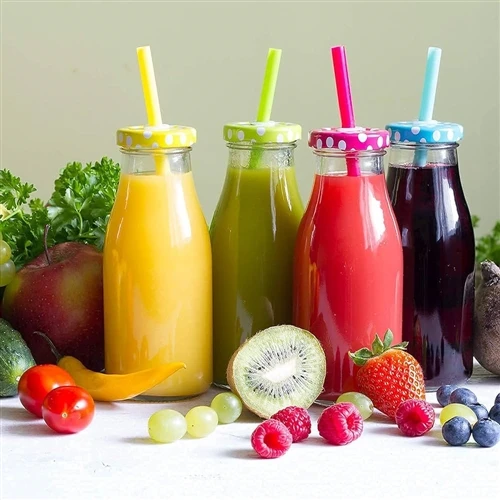
Clear glass bottles are widely used for:
- Fruit juices
- Fresh drinks
- Coconut beverages
- Functional drinks
- Cold brew beverages
Advantages:
- High transparency for premium product display
- Allows consumers to see the beverage color
- Cost-effective for large-scale production
- Suitable for refrigerated products
Limitations:
- Limited protection against ultraviolet (UV) light
- Light-sensitive ingredients may require additional protection
- For juices containing natural pigments, vitamins, or antioxidants, UV exposure may affect flavor and nutritional quality.

1.2 High Flint Glass (Extra Clear Glass)
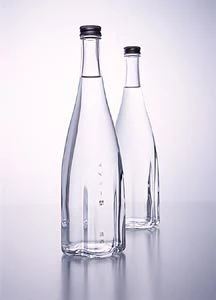
High flint glass is commonly selected for premium beverage packaging.
Compared with normal clear glass, high flint glass provides:
Higher transparency
Brighter appearance
Premium shelf presentation
Better color reproduction
It is often used for:
Premium fruit juices
Organic beverages
Luxury functional drinks
For brands positioning themselves in the high-end market, extra clear glass bottles can improve product perception.
1.3 Amber and Colored Glass Bottles for Light Protection
When juice products are sensitive to light, colored glass provides better protection.
Common options include:
Amber glass bottles
Advantages:
Blocks a large amount of UV radiation
Helps protect vitamins and natural ingredients
Extends product stability
Common applications:
Herbal drinks
Nutritional beverages
Vitamin drinks
Fermented juice products
Green glass bottles
Often used for:
Natural beverages
Specialty juice products
Premium eco-friendly packaging
The bottle color should be selected according to product formula, storage conditions, and shelf-life requirements.
2. Why Glass Bottle Wall Thickness Matters
Bottle wall thickness affects:
- Mechanical strength
- Pressure resistance
- Impact resistance
- Weight
- Transportation cost
A bottle that is too thin may break easily during filling, transportation, or handling. A bottle that is unnecessarily thick increases material cost and logistics expenses.
Recommended Wall Thickness for Juice Glass Bottles
The ideal wall thickness depends on:
- Bottle capacity
- Bottle shape
- Filling temperature
- Distribution environment
Typical ranges:
| Bottle Capacity | Recommended Wall Thickness | Common Application |
|---|---|---|
| 100ml–250ml | 2.5–3.5mm | Functional drinks, juice shots |
| 300ml–500ml | 3.0–4.0mm | Daily juice beverages |
| 500ml–750ml | 3.5–5.0mm | Family-size juice products |
| 750ml–1000ml | 4.0–6.0mm | Premium juice packaging |
For export markets, manufacturers usually increase bottle strength requirements because products may experience longer transportation distances and multiple handling processes.
3. Consider Hot Fill and Pasteurization Requirements
Many juice products require heat treatment after filling.
Common filling methods include:
- Hot filling
- Pasteurization
- Cold filling
- Aseptic filling
For hot fill applications, glass bottles need:
Good thermal shock resistance
Uniform glass distribution
Controlled bottle weight
Strong bottom design
A well-designed bottle should withstand temperature changes during production without cracking.
Glass bottle manufacturers usually evaluate:
Thermal shock testing
Vertical load strength
Impact resistance
Internal stress testing
before mass production.
4. Bottle Shape Design and Strength Optimization
Bottle design is not only about appearance. The shape directly influences manufacturing stability and transportation safety.
Designs with better strength:
Round bottles
Short-neck bottles
Thick-base bottles
Uniform wall distribution
Designs requiring additional engineering:
Square bottles
Flat bottles
Complex embossed designs
Irregular shapes
Custom-shaped juice bottles require professional mold design to ensure:
Stable forming process
Consistent wall thickness
Lower breakage rate
5. How to Choose Between Standard and Custom Juice Glass Bottles
Standard Glass Bottles
Suitable for:
New beverage brands
Market testing
Large-volume production
Advantages:
Lower mold investment
Faster delivery
Flexible purchasing quantities
Custom Glass Bottles
Suitable for:
Established beverage brands
Premium juice products
Differentiated packaging strategies
Benefits:
Unique brand identity
Exclusive bottle design
Better shelf recognition
Custom bottle development usually includes:
Bottle design confirmation
3D drawing development
Mold manufacturing
Sample testing
Mass production
A professional glass bottle supplier should provide technical support throughout the entire development process.
6. Quality Inspection Standards for Juice Glass Bottles
Before shipment, reliable glass bottle manufacturers normally conduct inspections including:
Appearance Inspection
Checking:
Bubbles
Stones
Cracks
Surface defects
Color consistency
Dimension Inspection
Checking:
Bottle height
Diameter
Neck finish
Capacity tolerance
Performance Testing
Including:
Pressure resistance
Thermal shock test
Vertical load test
Annealing quality inspection
These controls ensure bottles meet international beverage packaging requirements.
7. Key Factors When Selecting a Juice Glass Bottle Supplier
When purchasing glass bottles from China or overseas suppliers, beverage companies should evaluate:
Manufacturing Capability
Automatic production lines
Stable production capacity
Mold development capability
Quality Management
Look for:
ISO quality management systems
Inspection procedures
Traceable production records
Export Experience
Experienced suppliers understand:
International packaging standards
Export transportation requirements
Container loading optimization
Conclusion: Selecting the Right Glass Bottle Improves Beverage Quality and Brand Value
Choosing the right glass bottle for juice beverages requires balancing material, protection performance, bottle strength, and cost.
For premium juice brands, high-quality clear glass or custom-designed bottles can improve product presentation. For light-sensitive beverages, amber or colored glass provides better protection. Proper wall thickness and engineering design help reduce breakage and transportation risks.
Working with an experienced glass bottle manufacturer allows beverage companies to develop packaging solutions that meet both production requirements and market expectations.
About Cheer Packaging
Xiamen Cheer Packaging Co., Ltd. specializes in custom glass bottle manufacturing for juice, beverage, liquor, and food industries. With professional mold development, automated production capability, and export experience, Cheer Packaging provides customized glass packaging solutions for global brands.