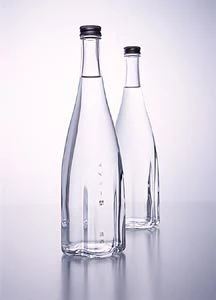
Lightweight glass bottles are glass packaging containers that have significantly reduced the weight of the bottle body through technological improvements. Their advantages are mainly reflected in cost control, resource conservation, logistics efficiency, environmental protection performance and other aspects, as follows:
1. Reduce raw material consumption and save production costs
Lightweight bottles reduce the amount of glass raw materials while ensuring strength by optimizing bottle design (such as thinning bottle walls, optimizing bottle mouth/bottom structure) and improving production processes (such as small mouth pressure blowing technology). For example, the weight of a traditional beer bottle is about 600-700 grams, while a lightweight beer bottle can be reduced to 400-500 grams, reducing raw material consumption by 20%-30%, directly reducing the procurement cost of raw materials such as quartz sand and soda ash, and reducing the related costs of raw material transportation and storage.

2. Reduce energy consumption and reduce carbon emissions
The melting process of glass production requires high-temperature heating (about 1500℃), and energy consumption accounts for a high proportion of production costs. Lightweight bottles can significantly reduce energy consumption such as natural gas and electricity due to the reduction in raw material consumption and the reduction in heat required during the melting process. According to industry data, for every 10% reduction in the weight of glass containers, the energy consumption of the production process can be reduced by about 8%-10%, and the corresponding carbon emissions will also be reduced simultaneously, which will help companies reduce energy costs and meet the environmental protection requirements of low-carbon production.
3. Reduce logistics and storage costs
After the weight of lightweight bottles is reduced, the total weight of the unit packaging decreases, which directly reduces the fuel consumption and logistics costs during transportation. For example, the transportation load of the same number of lightweight beer bottles can be reduced by 20%-40%, which is especially suitable for long-distance transportation scenarios. In addition, weight reduction can also improve the utilization rate of storage space and reduce the manpower and equipment costs during transportation.
4. Improve product safety and user experience
Despite the weight reduction, the physical properties of lightweight bottles such as impact resistance and pressure resistance are better than traditional glass bottles through material formulation optimization (such as adjusting the ratio of silicon and calcium) and production process improvement (such as cold and hot end spraying to enhance surface hardness). For example, lightweight beverage bottles are not easy to break during filling, sterilization, and transportation, which reduces the product loss rate; at the same time, the lighter weight is also easier for consumers to carry, which improves the convenience of use.

5. Comply with environmental protection trends and promote sustainable development
Reduced resource consumption: Fewer mineral resources such as quartz sand and soda ash are required to produce lightweight bottles, reducing dependence on natural resources.
Advantages of recycling: Glass itself is 100% recyclable, and lightweight bottles are lighter in weight and require less energy to melt when recycled and melted, further reducing energy consumption and carbon emissions in the recycling process.
Conform to policy orientation: Driven by the global "carbon reduction" and "environmentally friendly packaging" policies, lightweight bottles are in line with the brand's green development strategy and help enhance the corporate social responsibility image.
In summary, lightweight glass bottles, while taking into account performance, have achieved multiple advantages of "cost reduction, energy saving, environmental protection, and efficiency improvement", becoming an important development direction for the glass packaging industry, especially in beverages, alcoholic beverages, food and other fields that are sensitive to packaging costs and environmental protection.