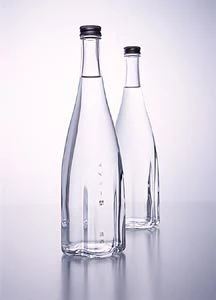
Premium liquor and wine bottles require consistent wall thickness, stable weight distribution, and high visual quality. Compared with blow-and-blow production, press-and-blow technology delivers better glass distribution, lower weight variation, and improved structural performance, making it suitable for premium spirits packaging.
Why Wall Thickness Uniformity Matters
Poor glass distribution can lead to:
Higher breakage rates
Lower top-load strength
Visible optical distortion
Decoration defects after frosting or printing
| Parameter | Premium Target |
|---|---|
| Weight Tolerance | ±3–5 g |
| Wall Thickness Variation | ±0.3–0.5 mm |
| Thermal Shock Resistance | ≥42°C |
| Internal Pressure Resistance | ≥1.4 MPa |
How Press-and-Blow Works
Unlike blow-and-blow, a metal plunger forms the parison before final blowing.
Process flow:
1.Gob delivery
2.Plunger pressing
3.Parison formation
4.Final blowing
5.Annealing lehr
6.Inspection
7.Palletized packaging
Benefits include:
- Better wall thickness uniformity
- Reduced seam visibility
- Improved roundness
- Better performance for heavy-base bottles

Applications for Premium Spirits Bottles
Press-and-blow technology is widely used for:
- Whisky bottles
- Vodka bottles
- Brandy bottles
- Tequila bottles
- Baijiu bottles
| Bottle Type | Typical Weight |
|---|---|
| Premium Wine | 650–900 g |
| Spirit Bottle | 700–1200 g |
| Ultra-Premium Bottle | 1200–1800 g |
The process supports frosting, silk-screen printing, hot stamping, and embossing with improved consistency.
Mold Design and Quality Control
Key factors affecting bottle quality:
Blank mold geometry
Plunger design
Mold cooling uniformity
Annealing parameters
Typical tolerances:
| Item | Tolerance |
|---|---|
| Neck Finish | ±0.20 mm |
| Diameter | ±0.50 mm |
| Height | ±0.80 mm |
Inspection standards:
ISO 9001:2015
SGS-tested procedures
AQL 1.5 / 2.5
Laboratory verification:
| Test | Requirement |
|---|---|
| Thermal Shock | ≥42°C |
| Internal Pressure | ≥1.4 MPa |
| Top Load | ≥1200 N |

Export Packaging Performance
| Packaging Type | Protection |
|---|---|
| Bulk Pallet | Medium |
| Carton + Pallet | High |
| Divider Carton + Pallet | Very High |
Typical 40HQ loading:
| Bottle Size | Quantity |
|---|---|
| 500ml | 18,000–22,000 pcs |
| 750ml Heavy Base | 10,000–15,000 pcs |
Proper palletized packaging reduces transit damage and improves warehouse handling efficiency.
FAQ
Is press-and-blow more expensive than blow-and-blow?
Not significantly. Mold investment is generally similar, although additional engineering optimization may be required.
Can bottle weight be reduced with press-and-blow technology?
Yes. Better glass distribution can often reduce bottle weight by 5–15% while maintaining strength requirements.
Which bottle finishes are compatible?
Cork Finish, Guala Finish, Screw Cap Finish, Bar Top Finish, and custom neck finishes are all compatible with press-and-blow production.