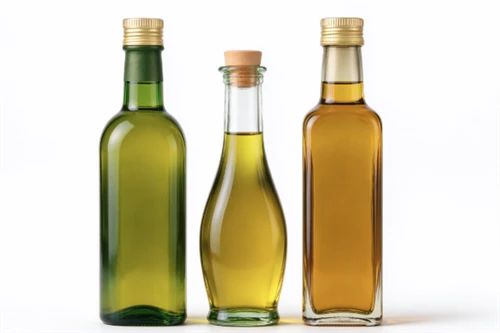
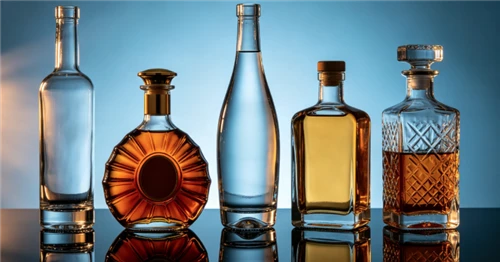
There are a wide variety of bottle closures for wine, and the following are common:
1.Cork: About 80% of wines are sealed with cork, which is by far the most popular way of sealing wine bottles. Corks are categorized into natural corks and synthetic corks, both of which require a corkscrew to open.
*Natural cork: cut from the outer layer of the cork oak bark, it expands to achieve a perfect seal, but its permeability allows the wine inside the bottle to come into contact with the outside air through the fine pores of the cork, and a slow oxidizing reaction occurs. Natural oak corks are used for most wines with a high aging capacity. However, there is a certain probability that cork contamination will occur, causing the wine to smell like mold or wet cardboard, and the probability of this happening is related to the manufacturing process of the cork.

*Synthetic cork: Synthetic corks are made by crushing the leftover cork oak bark from the production of natural corks and then gluing it together, resulting in a lower cost. It is similar to the natural cork in both form and function, and ensures the normal "breathing" of the wine. However, some people say that synthetic corks can give a chemical flavor to the wine.

2.Screw cap: Screw caps are usually made of aluminum and can be easily opened without a corkscrew. There is no risk of cork contamination, and these corks provide a better seal, with little or no effect from changes in temperature and humidity. For wines that are meant to be consumed as soon as possible, a screw cap is usually better at preserving the fruit flavors. However, since they are not as permeable to oxygen as cork, screwcaps can also give wines a less pleasant, reductive odor.
Plastic Stopper: Plastic stoppers are usually made of synthetic plastic. Plastic corks are recyclable and have the aeration properties of natural corks, but there have been many reports that common synthetic plastic corks often cause excessive oxidation of the wine after a certain period of time and produce a petrol smell, making them less suitable for wines that need to be aged.
3.Glass stopper: A glass stopper consists of a glass wine cork and an O-ring gasket, somewhat similar to an old-fashioned kettle cap. This type of stopper has been used at several wineries in Germany and Napa Valley, USA. The glass stopper has no effect on the taste or aroma of the wine and seals the bottle, reducing the risk of oxidation and ensuring the original flavors of the vineyard. However, glass corks must be manually corked by hand, which is more expensive and adds to the cost of making the wine.
4.Zork Bottle Seal: This new type of bottle seal has already reached a considerable audience in Australia. You simply remove the protective seal and the cork pops open automatically. There is no need to worry about cork contamination with the Zork bottle seal, and it works for both still and sparkling wines. However, this type of cork is only suitable for special wine bottles, so it invariably increases the cost price of the wine.