New national standard promotes beer bottle quality upgrade
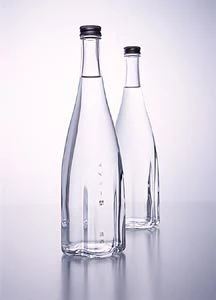
On April 16, 2025, the in-depth analysis of "GB 4544-2020 Beer Bottle" (2025 Edition) was released. The new standard puts forward higher requirements for the pressure resistance and impact resistance of beer bottles. This will prompt beer manufacturers to use higher-quality packaging materials and comprehensively improve the overall quality of products. To meet the new regulations, companies need to adjust the ratio of glass raw materials, increase the silica content, and optimize the production process, including parameters in glass forming, annealing and other links, to enhance the hardness, impact resistance and pressure resistance of beer bottles.
Demand for pressure test equipment increases
On April 15, 2025, China Tendering and Procurement Network released an inquiry for Shengxing (Henan) Intelligent Technology Co., Ltd.'s beer can pressure strength tester 1L and 2L. As the industry pays more attention to the pressure resistance of beer bottles, the demand for professional equipment such as PCT-01 pressure tester continues to increase. This type of equipment can simulate various pressure environments encountered by beer bottles during actual transportation and storage, and conduct multiple tests on beer packaging, such as top pressure, constant pressure, and internal pressure, to provide accurate scientific basis for the improvement and optimization of packaging design, and help companies produce safer and more reliable beer bottles.
Third-party testing services help quality control
According to Shunqi.com on April 15, 2025, Beijing Qingxi Technology Research Institute can provide relevant testing services such as bottle pressure resistance testing, and it has CMA, CNAS and other qualifications. Professional third-party testing agencies can provide objective and accurate test results for beer bottle manufacturers, strictly ensure that the pressure resistance of beer bottles meets relevant standards, help companies effectively control product quality, reduce safety risks and economic losses caused by beer bottle pressure resistance problems, and maintain the company's brand reputation while ensuring consumer safety.