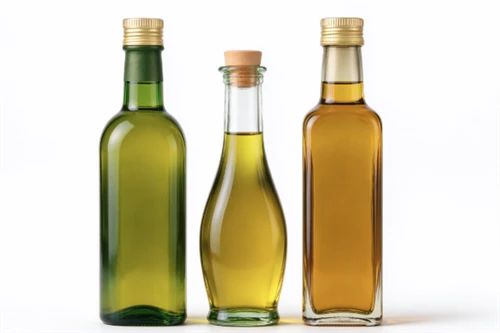
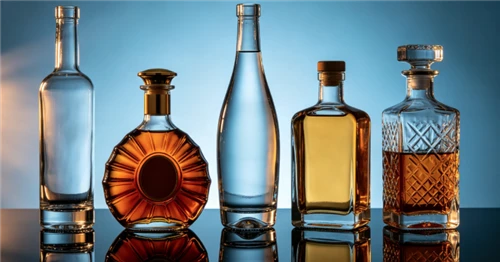
We often find in the market that the color of the bottle of wine will be green, brown and white. Some people think that the bottles of different colors must be different. Some wine drinkers think that the wines of green and brown bottles are relatively good quality wines, while the wines of white wine bottles are relatively inferior in quality, but it is not.
History of wine bottles
The container that originally stored the wine was not a glass bottle, but a slender clay pot. Although these containers look good, they are very heavy and difficult to carry, and the clay material has an effect on the flavor of the wine, so the clay pots are quickly eliminated. It was only in the middle and late 17th century that glass bottles were used. However, since most of the glass is made of sand and limestone, it will inevitably contain some impurities. In addition, the production technology is limited at that time, and it is impossible to remove the level of impurity compounds in the glass. Therefore, the glass bottle at that time is the most natural. The color is green. Later, with the advancement of technology, a variety of wine bottles gradually came out, so there appeared brown, blue and white wine bottles.
The benefits of green bottles
Oxygen is a double-edged sword for wine. Micro-oxygen can make the wine's tannins and polyphenols more mature and soften, the structure is more smooth and delicate, and the aroma will be complex and diverse. Excessive oxygen will make the wine tannin weak, the structure is faint and tasteless, and the aroma will be lost quickly. However, some substances in the wine itself have strong antioxidant properties, such as resveratrol, which can prevent the oxidation of wine to a certain extent. However, under strong light, the oxidation resistance of the wine will be quickly destroyed, which will accelerate the excessive oxidation of the wine and cause the wine to oxidize and deteriorate. In addition, ultraviolet light accelerates the movement of wine molecules and destroys the stability of the wine.
The green bottle can block the light from entering the wine, which can effectively prevent the excessive oxidation of the wine, and provides a better environment for the storage of the wine, which is conducive to the ageing of the wine.
The benefits of brown bottles
Like the green bottle, the brown bottle has a certain blocking effect on the light, which prevents the oxidation of the wine and facilitates the vintage storage of the wine. However, brown wine bottles filter light more than green wine bottles, so brown wine bottles are more conducive to the vintage preservation of wine.
The benefits of white wine bottles
White wine bottles do not have much filtering power, so white wine bottles are generally not suitable for the vintage storage of wines, mainly for some white and rosé wines. The white wine bottle can give people a fresh and translucent feeling, which can show the attractive color of the wine to the consumers. At the same time, it makes it easy for consumers to observe whether the wine has precipitation and impurities, which is convenient for purchase.
Blue wine bottle
In addition to the above, blue wine bottles are now more and more common. Blue tends to bring a refreshing, natural visual cues that symbolize peace and serenity. Therefore, some wineries use color as a tool to open the market. These wine bottles are mainly used in aromas of white wine or after-dinner liqueurs. An elegant wine such as Riesling is used to show his charm.
Is brown, green, and blue necessarily better than white?
Through the above conclusions, green and brown wine bottles are generally filled with wines with a long-term potential, while blue is a refreshing visual impact for customers, while white wine bottles are generally ready-to-drink.
Therefore, the color of the bottle is not a manifestation of the quality of the wine, let alone the quality of the wine in green, brown or blue bottles must be higher than the white bottle.