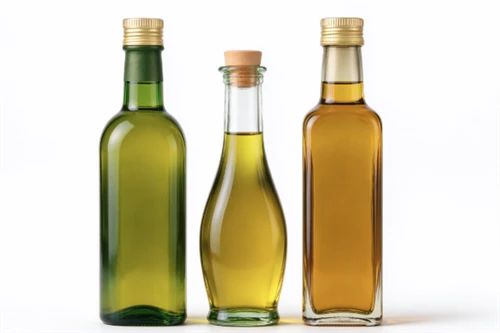
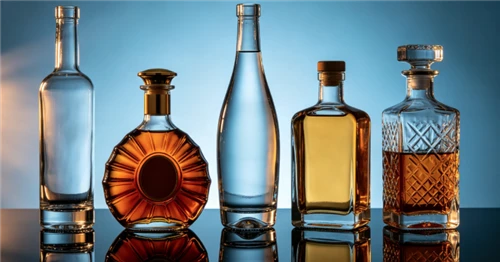
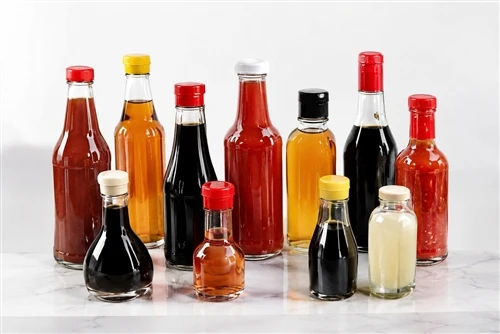
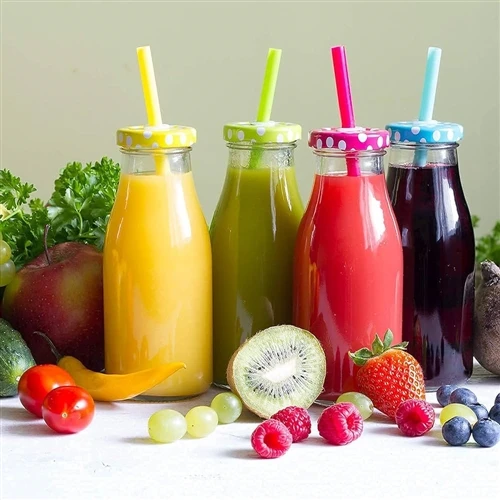
Glass bottles are a popular choice for packaging a variety of products, such as beverages, foods, cosmetics, and pharmaceuticals. One aspect that sets glass bottles apart from other packaging materials is their range of colors. These colors are not just for aesthetic appeal; they also serve specific purposes and have functional benefits. In this article, we will explore the differences in glass bottle colors and their advantages.
Clear glass bottles, also known as flint glass, are the most common and versatile option. As their name suggests, they are transparent and allow the product inside to be seen. This can be beneficial for products that need to showcase their color or consistency, such as juices, sauces, or lotions. Clear glass also complements a variety of labels, making it an ideal choice for brands with different packaging requirements.
Green glass bottles, or emerald glass, are used for products that require protection from sunlight or UV rays. The green tint helps to filter out harmful light, which can cause products to degrade or lose their potency. This makes it an excellent choice for products such as beer, wine, and pharmaceuticals. The green hue also gives these products a classic and vintage look, making them particularly appealing to consumers.
Brown glass bottles, also known as amber glass, provide the highest level of protection from UV rays. This is crucial for products that are sensitive to light and heat, such as essential oils, medicines, and vitamins. The brown color blocks out the most UV rays, helping to preserve the integrity of the product for longer periods. Additionally, brown glass bottles are less prone to breakage, making them a safer choice for shipping and handling.
Blue glass bottles, or cobalt glass, are also used for products that require protection from UV rays. The blue tint offers a similar level of light protection as green glass bottles, but with a more striking appearance. This color is particularly popular for luxury skincare and fragrance products, as it adds a touch of elegance and sophistication.
In conclusion, the color of glass bottles serves an important and practical function in product packaging. Clear glass bottles provide versatility and showcase the product's contents, while green, brown, and blue glass bottles offer varying degrees of protection from UV rays. Each color has its benefits and can enhance the product's appeal to consumers. As such, businesses should carefully consider their product's needs when selecting the appropriate glass bottle color.