Advantages
Good sealing: The mouth of the glass bottle and the bottle cap can be tightly matched, which can effectively prevent the leakage of carbon dioxide gas, so that the carbonated beverage can maintain a high carbon dioxide content during storage and transportation, thereby ensuring the taste and taste of the beverage. According to relevant tests, the carbon dioxide content of cola sealed in a glass bottle can still reach 98% after six months.

Strong chemical stability: The main component of glass is silicon dioxide, etc., which has stable chemical properties. It will not react chemically with the ingredients in carbonated beverages, will not release harmful substances, and will not affect the flavor and quality of the beverage. It can well maintain the original flavor of carbonated beverages.
Good light-shielding property: It can effectively block the entry of ultraviolet rays and other light to avoid the adverse effects of light on the ingredients in carbonated beverages, such as preventing the beverage from oxidation, deterioration and other reactions due to light, extending the shelf life of the beverage, and better maintaining the color and taste of the beverage.
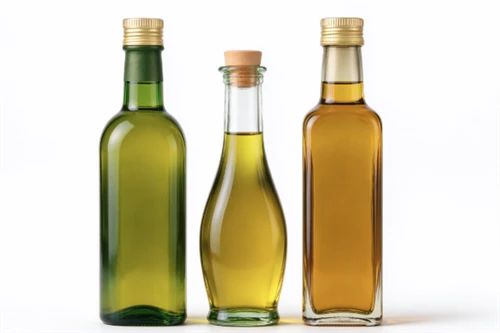
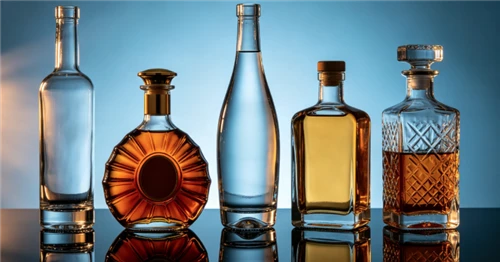
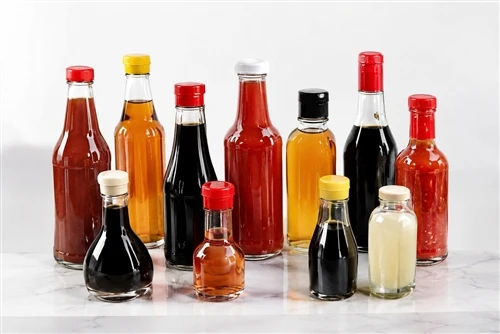
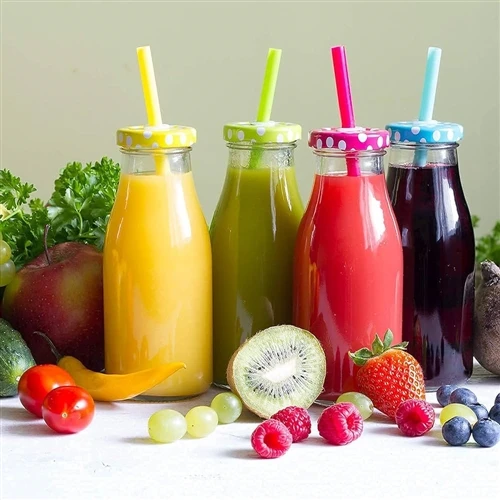
Good texture and appearance: The glass bottle has a transparent and bright texture, which can clearly show the color and bubbles of carbonated beverages, giving people a visual enjoyment and increasing the attractiveness of the product. Moreover, glass bottles have various shapes and designs. They can improve the grade and brand image of products through unique bottle shapes and exquisite label printing, meet consumers' demand for high-quality beverages, and some glass bottles also have certain collection value.
Good high and low temperature resistance: Glass bottles can withstand certain temperature changes. Whether they are sterilized in high temperature environments or stored in cold storage in low temperature environments, they are not prone to deformation, cracking, etc., and can adapt to the environmental requirements of various production and sales links.

Disadvantages
Fragile: Glass bottles are fragile and are easily broken by external forces such as collision and extrusion during transportation, handling and storage, which will not only cause the loss of beverages, but also may cause harm to personnel, increasing packaging and transportation costs. For example, in logistics transportation, if there is no good cushioning packaging, the breakage rate of glass bottles may be high.
Heavy weight: Compared with packaging such as plastic bottles and cans, glass bottles are heavier, which will increase transportation costs and energy consumption, and are also inconvenient for consumers to carry and use, especially for large-volume carbonated beverages. The weight disadvantage of glass bottles is more obvious.
High production energy consumption: The production process of glass bottles requires high-temperature melting of glass raw materials, which consumes a lot of energy, and certain pollutants will be generated during the production process, which has a certain impact on the environment. In addition, the production process of glass bottles is relatively complex, and the production efficiency is relatively low, which will also increase production costs.

High recycling and processing costs: Although glass bottles are recyclable, the recycling and processing process requires professional equipment and technology, and the cost is high. Moreover, if the recycling system is not perfect, the recycling rate of glass bottles may be low, which is easy to cause resource waste and environmental pollution.
Limited packaging specifications: Due to factors such as the weight and fragility of glass bottles, their packaging specifications are usually small, generally around 200ml-500ml. Large-capacity glass bottle packaging is relatively rare, which cannot meet the needs of some consumers for large-packaged carbonated beverages.