There are many differences in performance between borosilicate glass bottles and ordinary glass bottles, as follows:
Thermal stability
Borosilicate glass bottles: low thermal expansion coefficient, can withstand large temperature changes, generally can withstand 200-300℃ temperature difference. For example, in the laboratory, a beaker made of borosilicate glass can be heated directly on an alcohol lamp without breaking due to sudden temperature changes.
Ordinary glass bottles: large thermal expansion coefficient, poor tolerance to temperature changes, easy to break when encountering rapid cooling and heating. For example, when pouring hot water into an ordinary glass water cup, it may burst due to the large temperature difference between the inside and outside.
Chemical stability
Borosilicate glass bottles: have strong acid, alkali and water resistance, and can effectively resist the erosion of chemical substances. In the field of medicine, borosilicate glass medicine bottles can store various medicines for a long time without chemical reactions with the medicines, ensuring the quality of the medicines.
Ordinary glass bottles: relatively poor chemical stability, more susceptible to corrosion by chemicals such as acids and alkalis. If ordinary glass bottles are used to hold strong acidic or alkaline substances, the glass surface may be corroded, affecting the purity of the contents.
Mechanical strength
Borosilicate glass bottles: have high hardness and good wear resistance and impact resistance. Although borosilicate glass bottles are thinner than ordinary glass bottles, they are less likely to be scratched and broken when they are hit or rubbed.
Ordinary glass bottles: have relatively low mechanical strength and are prone to scratches and breakage. In daily use, ordinary glass bottles need to be handled more carefully to prevent damage.
Transparency
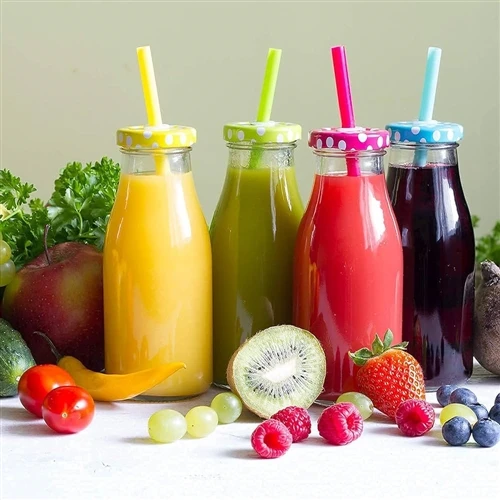
Borosilicate glass bottles: have high light transmittance, pure glass material, and crystal clear appearance. In food and beverage packaging, borosilicate glass bottles can better display the color and appearance of the product and attract consumers.
Ordinary glass bottles: have good transparency, but may be slightly inferior to borosilicate glass bottles in purity and glossiness. Some ordinary glass bottles may have a light green or other hue, which affects the observation of the contents.
Safety
Borosilicate glass bottles: made of high borosilicate material, do not contain harmful heavy metal ions, meet international environmental testing standards, and are harmless to the human body and the environment. Commonly used in food, medicine and other fields with high safety requirements.
Ordinary glass bottles: may contain a certain amount of heavy metal ions such as lead and zinc. When used for a long time or when containing specific substances, these heavy metal ions may precipitate, posing certain safety hazards. Especially when containing acidic or oily substances, the risk of heavy metal ion precipitation will increase.