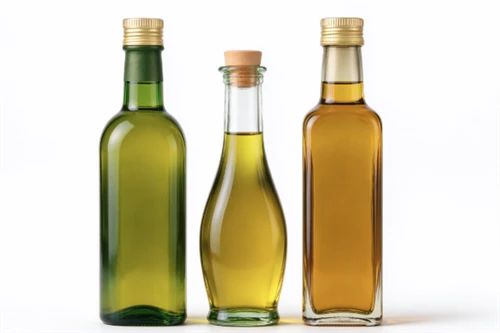
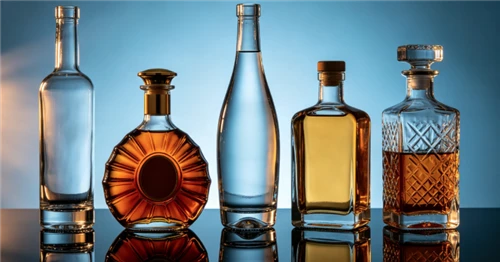
The different types of grape wine bottles are derived from the traditional glass making methods used in different wine producing regions, rather than attempts by winemakers to improve wine quality. As with size, the shape of grape wine bottles is more or less standardized worldwide. Most of the wines you find will be packaged in five standard shapes on store shelves. They are named after the originally developed wine producing regions and are used to store flagship wines from these regions.
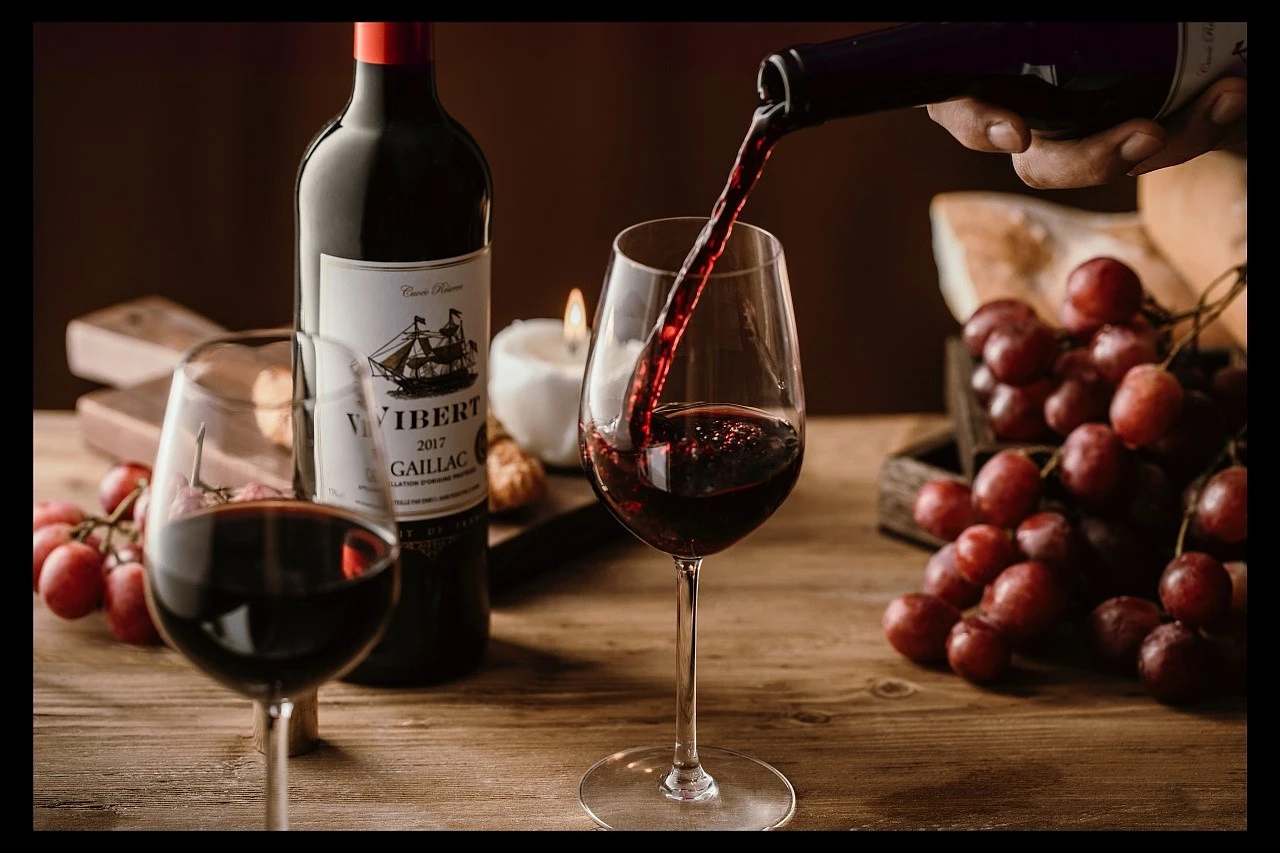
Understanding the basic shape of a grape wine bottle can serve as an effective way to help you identify the style of the wine before reading the label.
Alsace bottle
This type of bottle, also known as a German bottle, is taller and thinner than other types of bottles, with slightly tilted shoulders. The main grape in the Alsace bottle is Riesling. The bottle carrying French Riesling is usually brown, while the bottle used to carry German Riesling is usually green.
Bordeaux bottom
This may be the grape wine bottle you encounter the most frequently. Its main body is cylindrical, with straight edges and high shoulders (the connection between the bottle body and the neck). Bordeaux is the most widely used type of wine for Cabernet Sauvignon/Merlot blends, but you will find that most wines on the market are sold in this type of bottle.
Burgundy bottom
Burgundy bottle is most commonly used in Chardonnay, as well as Sauvignon Blanc and Pinot Noir. Its neck is longer than the Bordeaux bottle, and its shoulders have a unique tilt, making it cone-shaped.
Champagne bottom
Champagne and other sparkling wines such as Cava or Prosecco may have bottles similar to Burgundy, but heavier and thicker. Because they must ensure that they can withstand the high pressure generated by sparkling wine.
Port bottom
Port, Sherry, Madeira, and other fortified wines mainly use this bottle. It is similar to Bordeaux bottle, but a key difference is that the neck of the Port bottle has a bulb shaped design to capture excess sediment during the wine flow process.
Provence bottom
Its shape is a bit like a bowling ball or an hourglass. As the name suggests, this bottle of wine comes from the famous ros é - producing region - C ô tes de Prov