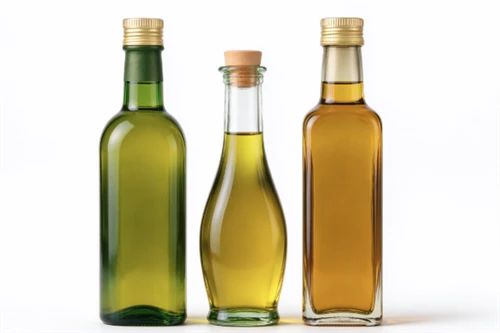
Wine bottles vary in color, but green is the most common. Bordeaux red wines are mostly dark green bottles, while Bordeaux dry whites are light green bottles. Burgundy, Rhone, Mosel, Alsace and other green wine bottles are used, even among many Champagne wineries. Therefore, green bottles can be said to be everywhere.
The green bottles are so colorful that, besides being beautiful, why do people use green bottles to hold wine?
The main reason is that green bottles prevent oxidation of wine. We know that a small amount of oxygen can allow the wine in the bottle to continue to develop, which is conducive to the ageing of the wine bottle. However, when there is too much oxygen entering the bottle, the wine quickly becomes rough and the taste is no longer wonderful. If your wine tastes like vinegar, then this bottle of wine is likely to be over-oxidized.
The wine itself contains an antioxidant that prevents the wine from oxidizing quickly. However, sunlight can destroy the antioxidants and tannins of the wine. If these ingredients are destroyed, the quality of the wine drops rapidly and even sour. The green bottle filters out light and protects the antioxidants and tannins in the wine. Therefore, the wine bottles we see are usually colored.
Why is the wine bottle green?
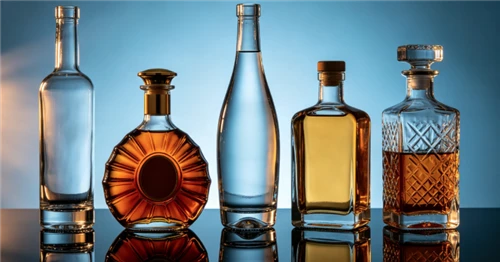
If the bottle you see is transparent and colorless (mostly white), it means that the bottle is ready-to-drink and not suitable for long-term storage and ageing.
Some people think that the amber bottle has a higher sun protection index than the green bottle, so some people choose the latter, but this has not changed the situation of the green bottle. In addition, designers also like to process used green wine bottles into a variety of exquisite crafts. Therefore, it is difficult to imagine what it would be like to give up a traditional green bottle.